When I started my career in software engineering, I thought it was all about tools — frameworks, editors, and version control systems.
But as I gained more experience, I realized that software engineering isn’t just about tools; it’s also about process. The way a team organizes, plans, and delivers software matters just as much as the code itself.
That’s where Agile, Scrum, and Kanban come in. These aren’t just buzzwords; they’re the heartbeat of how modern software teams work.
Why Process Matters
Without a defined process, teams constantly have to stop and ask: What’s next?
Every task becomes a debate, priorities shift without warning, and progress feels slow and unpredictable. A good process eliminates that confusion — it gives structure, rhythm, and shared understanding to the team.
How Scrum Brings Structure
In our team, Agile Scrum forms the backbone of how we deliver software.
A typical sprint lasts about three weeks, divided into distinct phases:
- First 3 days: Sprint planning — defining the goals and tasks.
- Next 12 days: Development — writing code, daily standups, and mid-sprint check-ins.
- Final 3 days: Testing, release, review, and retrospective.
During the sprint, everyone knows what needs to be done each day. There’s no mental overhead of constantly figuring out the next step — just focused, coordinated work.
The Waterfall Way — and Its Risks
Before Agile, many teams used the Waterfall model: requirements, design, development, testing, and deployment — in that strict order.
While structured, Waterfall has one major drawback: you only see the working product at the very end.
If something goes wrong late in the process, it’s often too late or too costly to fix. There’s little room for iteration or improvement along the way.
How Agile Solves That
Agile breaks big projects into smaller cycles called sprints. Each sprint produces a working piece of software known as an increment.
At the end of every sprint, the team conducts a Sprint Review to demo the product and gather feedback from stakeholders. This feedback loop ensures the team can course-correct early, before small issues grow into major risks.
Then comes the Sprint Retrospective, where the team reflects on what went well, what didn’t, and what to improve in the next sprint.
Over time, these continuous improvements make both the product and the process better.
Mixing It Up With Kanban
While Scrum gives structure, we also adapt based on our needs.
Every quarter, we usually follow two months of Agile Scrum and then one month of Kanban.
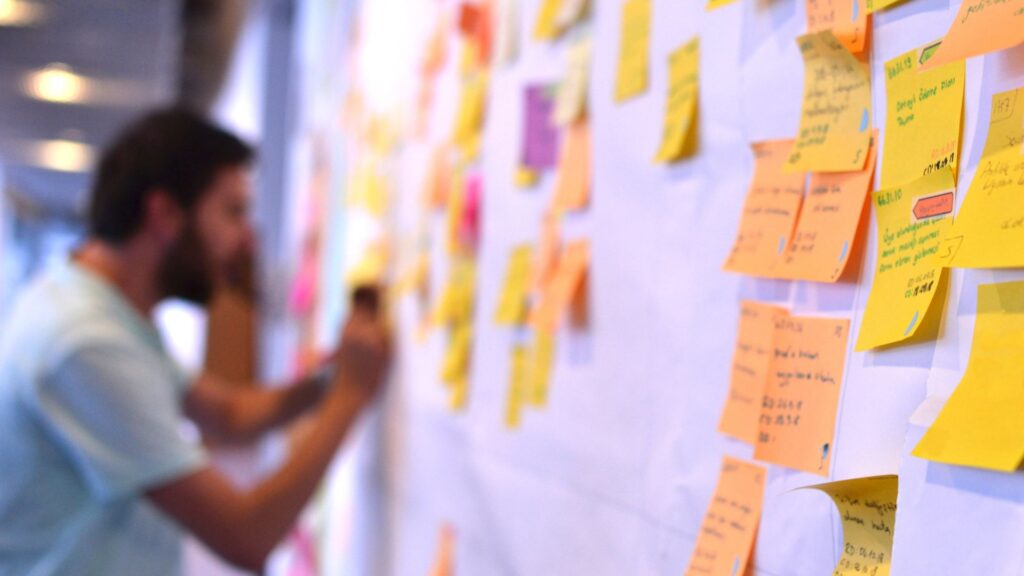
Kanban is perfect for the final month of the quarter — when there’s often unplanned or urgent work before a big release. It’s more flexible, focusing on flow and visualizing work in progress rather than time-boxed sprints.
The Takeaway
Software engineering isn’t just about writing code — it’s about how you build and deliver that code as a team.
Agile, Scrum, and Kanban gave our team rhythm, predictability, and continuous improvement. They turned chaos into cadence, and tasks into teamwork.
And that’s when I truly understood:
Great software isn’t just built — it’s delivered through great processes.