When I first started my career as a software engineer, I thought success meant writing clean, efficient code. If I could just master algorithms and design patterns, I’d be set.
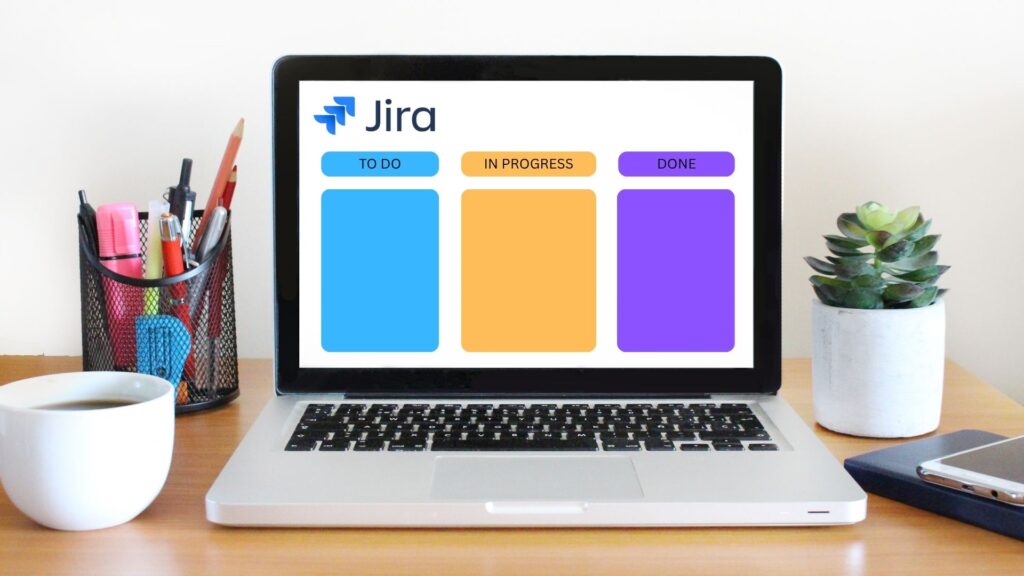
Then I met Jira — and my perspective completely changed.
I know, it’s not the most glamorous tool to mention. But Jira quietly reshaped how I thought about building software. It taught me that software development isn’t just about what you build — it’s about how you manage the work behind it.
Learning to Break Big Problems into Smaller Wins
Early on, I was thrown into large projects that felt almost impossible to wrap my head around. Jira became my roadmap.
Each project was broken down into smaller, manageable tasks — or “tickets.”
Every ticket told a story: what needed to be done, who was doing it, how important it was, how long it might take, and when it needed to be finished.
Before long, I realized that every development effort — no matter how big or small — begins with a ticket.
Tickets Define More Than Tasks
At first, I saw tickets as to-do items. But over time, I understood they were so much more than that.
Tickets actually define quality. They capture expectations, align everyone on what “done” really means, and ensure that every stakeholder’s pain points are addressed.
When you lose that documentation, you lose your foundation. You can’t measure progress, verify behavior, or even reproduce bugs effectively. Jira became our team’s safety net — the single source of truth that kept us aligned and accountable.
Clarity Over Chaos
Before using Jira, I didn’t fully appreciate how easily things could fall apart. Without a shared system, work overlaps, communication breaks down, and priorities get lost in the noise.
Jira prevented that chaos. It made sure the right people were working on the right things — and that nothing slipped through the cracks.
The Hidden Lesson
Looking back, I’d say two concepts shaped me most as a junior engineer: version control and issue management.
Together, they taught me that great software isn’t just written — it’s organized, tracked, and managed.
And that’s a lesson I’ve carried with me ever since.